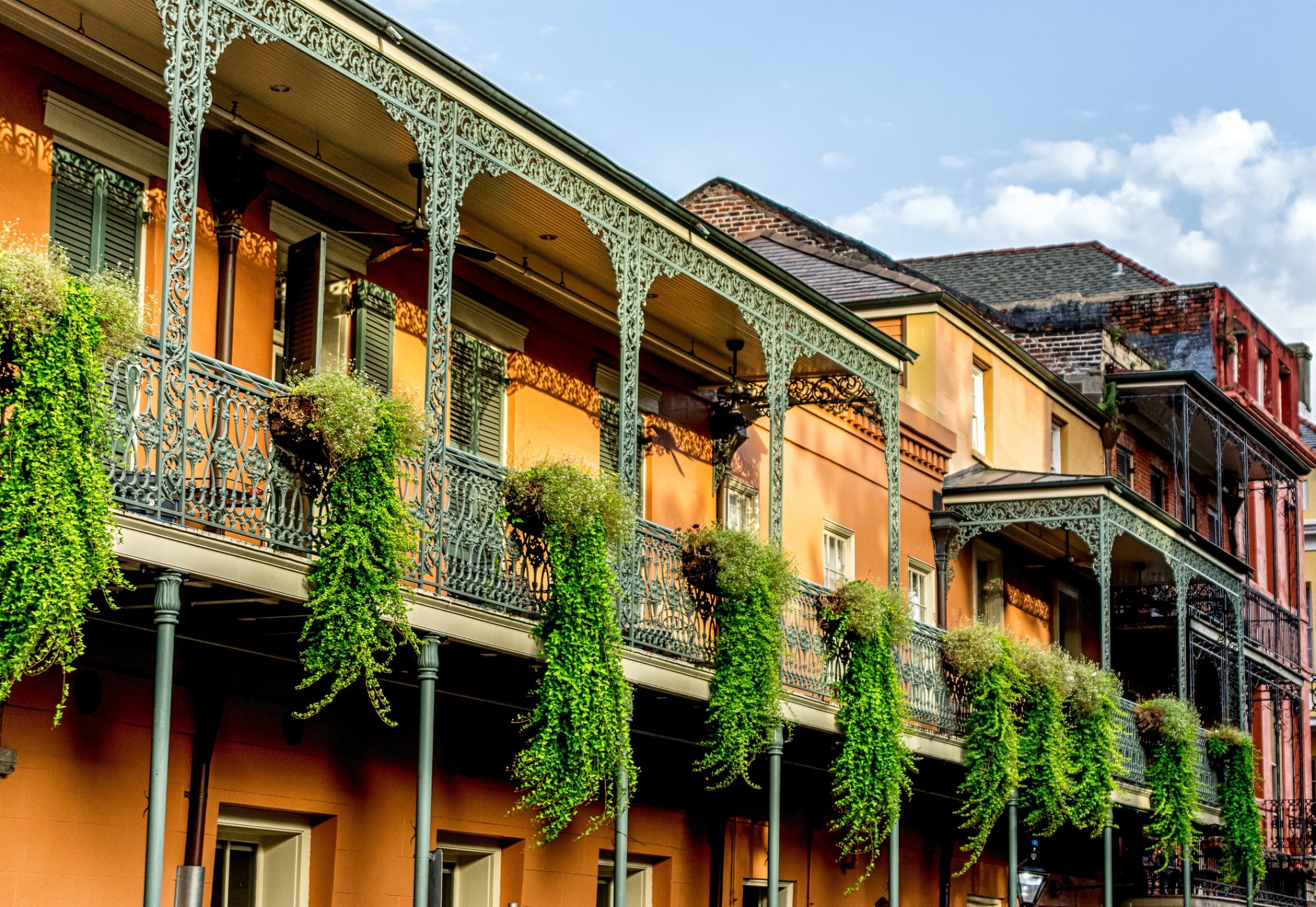
Most advice on getting your home market-ready starts with paint, decluttering, and landscaping. That advice isn't wrong — but it skips the question that actually determines what your home sells for: what makes this property valuable, and who is most likely to pay for it?
Before real estate, I spent two decades in marketing and communications, and these days I'm restoring a 1920s bungalow in Broadmoor — so I think about houses the way I think about products and stories. What I've found is that homes rarely struggle because they're bad properties. They struggle because their story was never clearly defined.
A historic bungalow isn't competing against every house on the market. A duplex isn't competing against every house on the market. A renovated cottage with a pool isn't competing against every house on the market. Each one appeals to different buyers for different reasons — and the goal of preparing to sell isn't to make your home appeal to everyone. It's to understand who is most likely to appreciate what makes it unique, and then make every decision about pricing, prep, and marketing in service of that.
Your quick market-ready checklist
Your TL;DR reference
- ✓Identify your home's strongest selling points
- ✓Review competing listings
- ✓Address obvious maintenance concerns
- ✓Declutter key living areas without erasing character
- ✓Gather important documentation (especially roof and insurance)
- ✓Improve curb appeal
- ✓Develop a pricing strategy
- ✓Create a launch plan
Notice that only half of these are about the house itself. The rest are about the story — who your home is for, and how that's communicated. That balance is the whole point. Here's how I'd walk through it.
What actually makes my home valuable?
Start here, before you think about paint colors. The value of your home isn't a fixed number — it's whatever the right buyer is willing to pay for the specific things your property does well. So the first job is to name them.
Ask: What makes this property different? What would a buyer be most excited about? Who is most likely to value those features? A Broadmoor bungalow may draw someone after historic character and a central location. A duplex may attract a buyer interested in rental income. A home with a dedicated office speaks to remote workers. A pool delights some buyers and means nothing to others. You're not trying to win everyone — you're trying to understand who your home is for, because that answer shapes everything that follows.
What positioning looks like in practice: three New Orleans homes, three buyers
The same preparation advice can't serve every property, because the buyer on the other end is different each time. Three quick examples from this market:
A historic Broadmoor bungalow sells on character and place — original millwork, a walkable central location, the feel of old New Orleans. Its buyer is choosing a lifestyle, so the preparation protects the period details and the marketing leads with story and neighborhood, not square footage.
A duplex near Tulane sells on math. Its most likely buyer is weighing rental income — possibly living in one unit while the other helps cover the mortgage — or adding to a small portfolio. For that buyer, the compelling "feature" isn't the backsplash; it's rent rolls, unit condition, and proximity to campus demand. The same paint-and-stage checklist that suits the bungalow would miss the point here entirely.
A renovated home with a pool sells on lifestyle and turnkey ease. Its buyer wants to move in and enjoy, so the prep showcases the finishes and the outdoor living, and the marketing speaks to convenience and entertaining — while acknowledging that a pool is a genuine draw for some buyers and a maintenance worry for others.
Same city, three completely different stories. None of them is trying to appeal to everyone — each is trying to make one kind of buyer feel like the home was meant for them. That's what positioning actually means: not inventing value, but clearly communicating why a specific buyer would prize what's already there.
How do I know what my home is competing against?
Look at current competition, not just recent sales. Comparable sales tell you what closed; they don't tell you what today's buyer is weighing your home against right now.
What homes are buyers comparing yours to this week? What condition are they in, how are they priced, what do they offer? A well-maintained home can still struggle if buyers perceive stronger alternatives nearby — and a home with genuine advantages can outperform expectations when it's positioned well against the listings it's actually up against. Understanding the competition is what tells you where your prep dollars should go, and where they shouldn't.
What should I fix before selling my home?
Fix the things that make a buyer wonder what else you didn't deal with. Not every repair needs doing before you list — but visible, obvious issues do disproportionate damage, because buyers read them as clues to hidden problems.
In New Orleans specifically, buyers are already alert to foundations, roofs, and water history — so a single peeling soffit or a sticking door can quietly cost you on every offer, because it feeds a worry that's already in the buyer's mind. Handle the obvious items: leaking faucets, damaged flooring, broken fixtures, peeling paint, deferred exterior maintenance. The goal isn't perfection. It's removing the small objections that make a buyer hesitate.
How do I declutter without stripping out the character?
Create space for the buyer to imagine themselves there — without erasing what makes the home worth wanting. Decluttering and de-personalizing are right: clear the countertops, reduce excess furniture, organize storage, pull back the personal items.
But there's a line, and in New Orleans it matters more than almost anywhere. Original millwork, historic details, built-ins, fireplaces, and architectural features are often the reason a buyer falls for the house — they're central characters in the home's story, and stripping them away to reach some "neutral" blank box quietly deletes your biggest selling point. The goal is room to imagine, with the character still shining through.
How much do first impressions really matter?
More than almost anything, and they happen before the front door opens. By the time a buyer steps inside, they've already judged the exterior, the landscaping, the porch, the paint, the walkway.
You don't need a full makeover — you need the property to feel cared for. Fresh mulch, trimmed landscaping, a pressure wash, touch-up paint, a clean entry. Small, inexpensive moves that set the buyer's expectation before they've seen a single room.
What paperwork should I have ready to sell in New Orleans?
Gather your documentation early — and in this market, two records matter more than any others: your roof and your insurance history. New Orleans buyers and their lenders will ask, and having clear answers ready can be the difference between a smooth close and a mid-deal renegotiation.
Beyond those, pull together anything on HVAC, foundation work, renovations, permits, warranties, and prior claims. Transparency isn't just good manners here — it's leverage. The seller with answers ready negotiates from a position of confidence.
Which improvements are actually worth it?
Only the ones that increase value, clarify the home's strengths, or remove a real objection. The biggest mistake I see sellers make is spending money without a plan — pouring cash into a project that doesn't move the needle while skipping the small fix that would have.
Before any improvement, ask those three questions. Sometimes a modest cosmetic update outperforms a major renovation. And sometimes the smartest move isn't to renovate at all — it's to price the home appropriately and let the next owner make those choices. Spending money is not the same as adding value.
How should my home be marketed?
Let the story guide the marketing — because most buyers see your home online long before they see it in person. Photography matters, video matters, floor plans and descriptions matter. But how the property is positioned matters just as much as how it's photographed.
A historic home should be marketed differently than a turnkey renovation. A duplex should be marketed differently than a single-family residence. A renovation opportunity should be marketed differently than a move-in-ready home. When the marketing is built around who the home is for, it reaches the people most likely to pay for it — instead of blending into every other listing in the feed.
How should I price my home to sell?
Price for where buyers are actually searching — not for the highest number you can imagine. Most sellers treat pricing and marketing as separate conversations. I don't. Price is one of the most important marketing decisions you'll make, because it decides who ever sees the listing at all.
Here's the mechanic people miss: price a home at $415,000 and you lose every buyer who capped their search at $400,000 — no matter how perfectly the house fits them, they never see it. Pricing influences search visibility, buyer interest, showing activity, negotiation leverage, and time on market, all at once. The best strategy isn't the biggest number. It's understanding where your home lands in a real buyer's search and pricing it to attract the right level of attention from day one.
Why do the first weeks on the market matter so much?
Because that's when your home gets its largest, most motivated audience — and you only get that launch once. The first few weeks are when buyers are paying closest attention, when new-listing alerts go out, and when showing activity typically peaks.
That's why launch is a plan, not a posting. Before the home goes live, line up the photography, the marketing assets, the description, the online distribution, the social promotion, and the showing logistics — so the listing creates momentum the moment it hits the market, instead of slowly finding its footing while the best window closes.
A different way to think about selling
Most sellers focus on preparing the house. I believe it's just as important to prepare the story. Every property has strengths, every property has tradeoffs, and every property appeals to certain buyers more than others. Understanding that before the home hits the market is what leads to better decisions about preparation, pricing, and marketing.
Because in my experience, successful home sales aren't really about finding a buyer. They're about helping the right buyers understand why your home is worth paying attention to in the first place.
If you're thinking about a move, what I offer first isn't a listing appointment — it's a strategic planning session. We'd sit down and work through what buyers are most likely to value in your home, which improvements are actually worth making (and which aren't), how the property should be positioned against its real competition, and where it fits in today's market. You'd leave with a clear way to think about your sale — whether you list next month, next year, or simply want to understand your options. Start with a positioning conversation →
Frequently asked questions
Do I need to renovate my home before I sell it?
Not usually. Focus on visible condition issues that create buyer doubt, and be strategic about anything larger — many renovations don't return what they cost. Often the smarter move is to price appropriately and let the next owner renovate to their own taste.
How long does it take to sell a home in New Orleans?
It depends heavily on pricing and condition — well-priced homes in good shape move faster, and the first few weeks on the market are typically the most active.
Should I price high and come down later?
It's risky. Overpricing wastes your most valuable window — those first weeks of peak attention — and can push you out of the search ranges where qualified buyers are actually looking. Pricing to your real market position from day one usually produces better results than chasing the market down.
What's the most important thing a seller can do?
Define who your home is for before you list it — prepare the story, not just the house. That single decision shapes your prep, your pricing, and your marketing, and it's the difference between a home that blends in and one the right buyers notice.